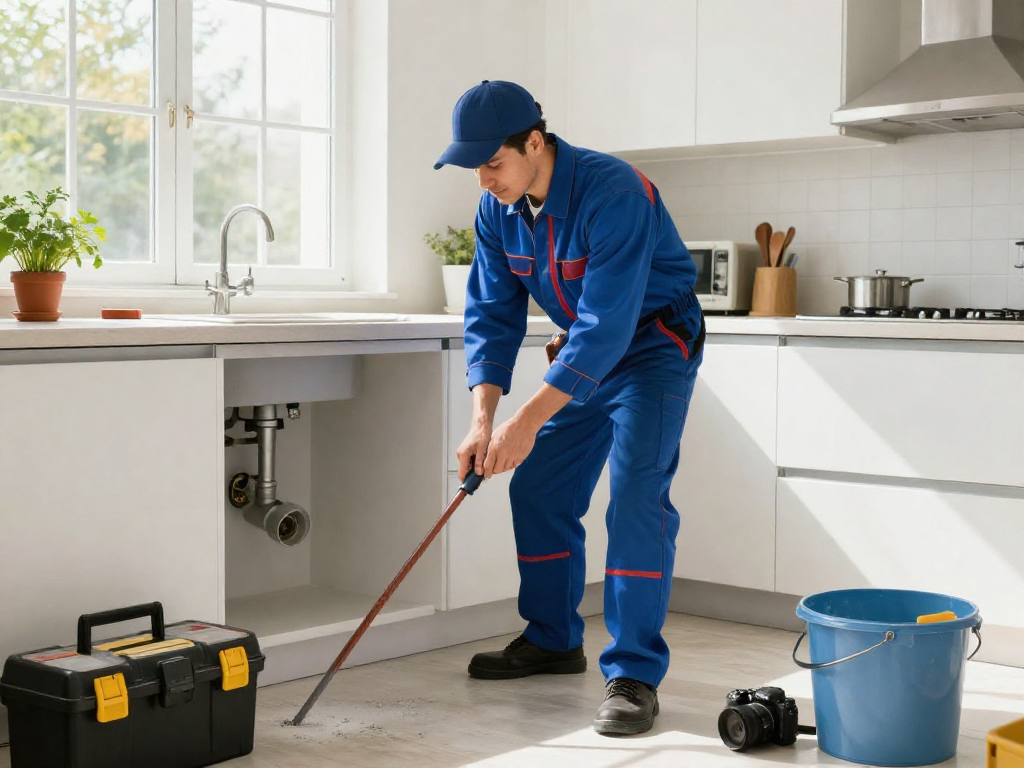
Understanding Drain Cleaning Basics
In the world of home maintenance, understanding drain cleaning is crucial for every homeowner. Clogged drains can lead to significant plumbing issues, including backups and overflow, which can be not only inconvenient but also costly. Knowing how to address these problems can save both time and money. This article dives into the essentials of drain cleaning, focusing on methods, tools, and the importance of professional services for residents in Fort Worth. For comprehensive insights on drain cleaning Fort Worth, keep reading to explore further.
What is Drain Cleaning?
Drain cleaning involves the removal of blockages and buildup in plumbing systems to restore proper flow. This process can be performed through various methods, including mechanical snaking, hydro-jetting, and chemical treatments. Each technique has its own advantages and is suited to different types of clogs. Regular maintenance is essential to prevent serious plumbing issues and to ensure longevity of your home’s plumbing infrastructure.
Common Reasons for Drain Clogs
- Hair: A major culprit in bathroom sinks and showers, hair can easily accumulate and create a clog.
- Food Waste: In kitchen sinks, leftover food particles can build up over time, especially if proper disposal methods are not followed.
- Grease: Cooking oils and fats can solidify in pipes, leading to severe blockages.
- Soap Scum: Soap residue can combine with minerals in the water to form hard deposits that inhibit drainage.
- Foreign Objects: Items like toys or sanitary products that accidentally fall into drains can cause immediate blockages.
Essential Tools for Drain Cleaning
Homeowners can benefit from having a few key tools on hand for minor drain cleaning tasks. Some essential tools include:
- Plunger: Useful for clearing simple clogs in toilets and sinks.
- Drain Snake: A flexible tool that can reach into pipes and dislodge more stubborn clogs.
- Hydro Jet: A high-pressure water jetting system, often used by professionals to thoroughly clean pipes.
- Chemical Drain Cleaners: Products designed to dissolve clogs but should be used cautiously due to potential risks to plumbing and health.
DIY Drain Cleaning Techniques
Many homeowners may consider tackling drain cleaning themselves. While some methods can be effective for minor clogs, it’s essential to understand the limitations and risks involved.
Step-by-Step Methods for Homeowners
For those willing to take on drain cleaning tasks, here are some step-by-step methods you can follow:
- Boiling Water: Pour boiling water down the drain to help dissolve grease and soap scum.
- Vinegar and Baking Soda: Combine these two natural ingredients to create a fizzy reaction that helps clear minor clogs. Pour half a cup of each down the drain, let it sit for 15-30 minutes, then flush with hot water.
- Use a Plunger: Ensure there is enough water in the sink to cover the plunger cup, and then plunge vigorously to dislodge the clog.
- Drain Snake: Insert the snake into the drain until you feel resistance, then turn the handle to break up the clog.
When to Use Chemical Cleaners
Chemical drain cleaners can be effective but should be used sparingly. They work by dissolving organic material that causes clogs. However, they can also damage pipes and pose health risks if not handled properly. Always follow the instructions carefully and consider other methods first.
Natural Alternatives to Chemical Solutions
If you’re wary of chemical cleaners, numerous natural alternatives exist. Options include:
- Salt: A cup of salt followed by boiling water can help clear minor clogs.
- Enzyme Cleaners: These products use natural enzymes to break down organic build-up without harmful chemicals.
- Hot Water and Dish Soap: Mixing dish soap with hot water can help grease break down more efficiently.
Professional Drain Cleaning Services
While DIY methods can be effective for minor clogs, professional drain cleaning services offer a level of expertise that is often necessary for more serious issues.
Benefits of Hiring a Professional Plumber
There are several advantages to hiring a professional for drain cleaning:
- Expertise: Professionals have the training and experience to diagnose problems accurately.
- Advanced Equipment: Access to tools like hydro-jetters allows for a thorough clean that DIY tools can't match.
- Long-Term Solutions: A professional can identify underlying issues that may cause future clogs, offering solutions that prevent recurring problems.
- Safety: Professionals know how to handle chemical cleaners and tools to minimize risks.
What to Expect from a Service Call
When you schedule a drain cleaning service, you can expect the following process:
- Initial Assessment: The plumber will assess your plumbing system to identify the cause and location of the clog.
- Cleaning Method: Based on their assessment, they will choose the most appropriate cleaning method.
- Post-Cleaning Inspection: After cleaning, they will inspect the system to ensure the blockage has been fully cleared.
Cost Considerations for Drain Cleaning
The cost of professional drain cleaning varies depending on several factors including:
- Severity of the clog.
- Location of the blockage.
- The method used to clear the drain.
- Additional repairs or services required.
Typically, homeowners can expect to pay anywhere from $100 to $300 for standard drain cleaning services.
Preventative Maintenance Tips
To avoid needing frequent drain cleaning, preventative maintenance is essential. Here are some strategies to consider:
Regular Check-Ups and Inspections
Scheduling routine inspections by a professional plumber can identify potential problems before they escalate. Annual check-ups ensure that your plumbing is in good condition and functioning optimally.
Best Practices for Daily Use
Implementing simple practices can greatly reduce the risk of clogs:
- Use drain strainers to catch food and hair.
- Dispose of grease and oils properly.
- Run hot water down the sink after each use to keep pipes clear.
Signs You Need Drain Cleaning Early
Being proactive is key. Watch for these signs that indicate you may need to schedule a cleaning:
- Slow drainage in sinks, tubs, or showers.
- Unpleasant odors emanating from drains.
- Frequent backups or gurgling sounds from the plumbing.
Future Trends in Drain Cleaning
The plumbing industry continues to evolve, and new trends are emerging that promise more efficient and environmentally-friendly solutions.
Innovative Technologies for Better Drain Management
As technology advances, new tools and methods are being developed to enhance drain management. Smart plumbing systems that can alert homeowners to leaks or blockages are on the rise, allowing for timely interventions before minor issues become major problems.
Eco-Friendly Cleaning Solutions on the Horizon
Many companies are focusing on developing eco-friendly cleaning products that are both effective and safe for the environment. These solutions often utilize natural enzymes and biodegradable ingredients, minimizing their impact on plumbing systems and water quality.
Preparing for Future Plumbing Challenges
As the landscape of plumbing changes, homeowners must stay informed about common challenges and solutions. Investing in education about plumbing care can lead to more sustainable practices and reduce the likelihood of future clogs and issues.
What are the signs of a clogged drain?
Signs of a clogged drain include slow draining water, unusual noises from the plumbing, and unpleasant odors. If you notice any of these symptoms, it’s time to take action.
Can I use vinegar and baking soda for drain cleaning?
Yes, vinegar and baking soda can be an effective natural remedy for minor clogs. This combination helps break down organic material and can be a safe alternative to chemical cleaners.
How often should I have my drains cleaned?
It’s recommended to have your drains professionally cleaned at least once a year, or more frequently if you experience recurring clogs.
What are the risks of DIY drain cleaning?
While DIY drain cleaning can save money, it poses risks including potential damage to pipes, chemical exposure, and personal injury from tools or improper techniques. If the clog persists, calling a professional is advisable.
When should I call a professional plumber?
If DIY methods fail or if you notice frequent clogs, it’s time to consult a professional plumber. They can diagnose underlying issues and recommend appropriate solutions.