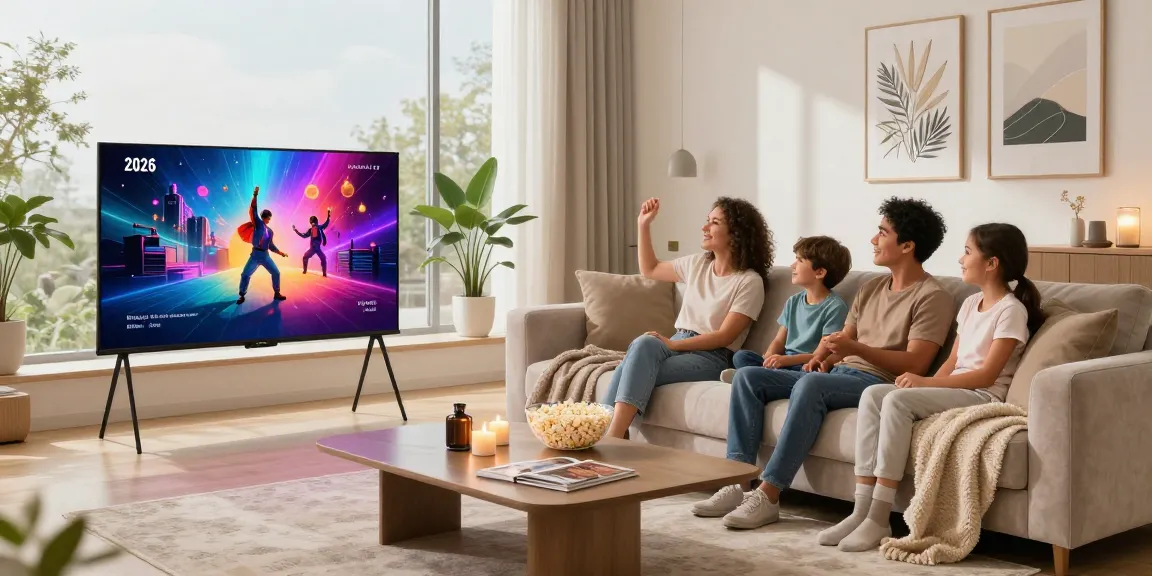
Overview of Smart TV Technology in 2026
As we enter 2026, the landscape of smart TV technology has undergone a remarkable transformation, shaped by advancements in design, functionality, and integration with smart home ecosystems. The demand for high-quality visual experiences has prompted manufacturers to innovate, focusing on enhanced picture quality, improved sound systems, and intuitive user interfaces. Consumers seeking to elevate their entertainment experiences will find a plethora of options, making it crucial to understand what differentiates these devices from traditional televisions. When exploring options, smart TV 2026 offers comprehensive insights into the latest models and features available in the market today.
What Makes Smart TVs Different?
Smart TVs are distinct from traditional televisions primarily because they incorporate internet connectivity, enabling users to access streaming services directly without the need for additional devices. This integration allows for a seamless viewing experience, where viewers can enjoy movies, shows, and games all in one place. Furthermore, smart TVs often come equipped with various apps that cater to different entertainment needs, such as Netflix, Hulu, and YouTube. These devices also feature voice control capabilities, making them more user-friendly and accessible.
Key Features of Smart TVs in 2026
The advancements in smart TV technologies have introduced several key features to enhance the viewing experience. Here are some of the standout features to look out for in 2026:
- 4K and 8K Resolution: With the increasing availability of 4K and 8K content, many smart TVs now support these high resolutions, delivering stunning clarity and detail.
- HDR Support: High Dynamic Range (HDR) technologies enhance the contrast and color accuracy of displays, providing richer visuals.
- AI-Powered Features: Many new models utilize AI algorithms to optimize image quality based on content type, resulting in a more enjoyable viewing experience.
- Smart Home Integration: The ability to connect and interact with other smart home devices simplifies user control and enhances home automation.
The Rise of AI Integration in Smart TVs
Artificial intelligence is revolutionizing how we interact with smart TVs. In 2026, many brands are incorporating AI-driven features that personalize user experiences. For instance, AI can learn viewing habits and suggest content based on individual preferences. Additionally, voice recognition technology is becoming more sophisticated, allowing users to control their smart TVs with more natural language commands. This integration not only enhances convenience but also makes technology more accessible to a broader audience.
Best Smart TV Models to Consider in 2026
With numerous options available, choosing the right smart TV for your home can be overwhelming. To help narrow down your choices, here are some of the best models in 2026:
Top OLED Options for Stunning Visuals
OLED technology continues to dominate the premium television market in 2026, offering unparalleled picture quality with deep blacks and vibrant colors. Here are some top contenders:
- LG G2 OLED: Known for its incredible picture quality and design, the LG G2 boasts top-tier HDR performance and a gallery design that makes it a stunning addition to any room.
- Pioneer Elite OLED: This model features advanced processing capabilities that enhance image quality and an expansive color palette, ideal for cinephiles.
Best Value-for-Money Smart TVs in 2026
For those on a budget, several smart TVs provide excellent performance without breaking the bank. Consider these options:
- TCL 6-Series: Recognized for its value and performance, the TCL 6-Series offers 4K resolution, HDR support, and an intuitive Roku interface at an affordable price.
- Hisense U7H: This model combines quality performance with smart features, delivering solid picture quality and compatibility with major streaming platforms.
High-End Smart TVs for Ultimate Viewing Experience
If you’re looking for the best of the best, high-end smart TVs come with state-of-the-art features that cater to the most discerning viewers:
- Samsung QN900B Neo QLED: Featuring Mini LED technology for superior brightness and contrast, the QN900B offers an immersive viewing experience for gamers and movie enthusiasts alike.
- Sony A95K OLED: A top-tier option with exceptional color accuracy and advanced processing capabilities, ideal for those who appreciate fine details in their viewing experience.
Smart TV 2026: Key Trends and Innovations
The smart TV market in 2026 is characterized by several key trends that point toward an increasingly integrated and user-oriented experience. These trends reflect shifting consumer preferences and technological advancements.
Mini LED Technology and Its Benefits
Mini LED technology is steadily gaining traction in 2026, delivering improved brightness, contrast levels, and overall image quality. This technology uses thousands of tiny LEDs for backlighting, resulting in better control over local dimming and enhancement of HDR content. As a result, viewers enjoy richer colors and deeper blacks, adding a cinematic quality to home viewing.
The Impact of Streaming Services on Smart TVs
With an explosion of available content, streaming services have become pivotal in the smart TV experience. Most smart TVs now come with built-in access to popular services like Netflix, Hulu, Amazon Prime Video, and Disney+. As these platforms continue to evolve, smart TVs will need to adapt, ensuring that user interfaces are intuitive and that content discovery is streamlined. Expect to see innovations that make it even easier to find and enjoy your favorite shows and movies.
Smart Home Integration with Your TV
Smart home integration is no longer just a luxury; it’s becoming a standard feature in smart TVs. In 2026, expect to see TVs that can control smart lighting, security systems, and even thermostats, all from the TV interface. This level of connectivity enhances convenience and creates an ecosystem of interlinked devices, making it easier for consumers to manage their home environments.
Choosing the Right Smart TV for Your Home
When selecting a smart TV, various factors come into play. Understanding your specific needs and how they align with available options can help you make an informed decision.
Considerations for Different Room Sizes
The size of your room plays a critical role in determining the appropriate TV size. A common recommendation is to sit at a distance that is about 1.5 to 2.5 times the diagonal screen size for optimal viewing. For smaller spaces, 43 to 55 inches is usually sufficient, while larger rooms can accommodate screens ranging from 65 inches and above.
Understanding Smart TV Specifications
When evaluating smart TVs, consider key specifications such as resolution, refresh rate, HDR capabilities, and connectivity options. Higher resolutions like 4K or 8K are ideal for larger displays, while a higher refresh rate enhances motion clarity for sports and action films. Additionally, look for HDMI ports that support the latest standards to ensure compatibility with gaming consoles and other devices.
Expert Tips on TV Placement and Setup
Proper placement of your smart TV can significantly enhance your viewing experience. Position the TV at eye level to reduce neck strain and ensure optimal viewing angles. Using a calibrated setup can also improve picture quality—consider using a soundbar or external speakers for an enhanced audio experience. Moreover, remember to manage cable organization effectively for a clean aesthetic.
Future of Smart TVs Beyond 2026
The future of smart TV technology looks promising, with endless possibilities on the horizon. As manufacturers continue to innovate, consumers can expect even more sophisticated features and enhancements that cater to their viewing habits.
Predicted Innovations and Features
Looking ahead, potential innovations could include advanced AI functionality that goes beyond simple suggestions, incorporating real-time content curation based on mood or context. Additionally, augmented reality (AR) and virtual reality (VR) integrations may provide immersive viewing experiences that redefine entertainment.
Long-Term Value: Are Smart TVs Worth the Investment?
With rapid advancements in technology, many consumers find themselves wondering if investing in a smart TV is worthwhile. Considering the versatility, ease of use, and long-term benefits of features like streaming and smart home integration, many experts advocate for the investment. To make the most of your purchase, prioritize models with robust support for software updates, ensuring longevity in a rapidly evolving market.
Frequently Asked Questions About Smart TVs
What are the best smart TV brands in 2026?
The top smart TV brands in 2026 include LG, Samsung, Sony, and TCL, each offering a range of innovative features and competitive pricing tailored to meet various consumer needs.
How to optimize your smart TV for the best performance?
To optimize your smart TV, regularly update its software, adjust picture settings according to your viewing preferences, and clear cache data to ensure smooth streaming.
What features should I look for in a smart TV?
Key features to seek include 4K or 8K resolution, HDR support, a user-friendly interface, and compatibility with voice assistants and smart home devices.